- Media
Swedish gambling official elected chair of international match-fixing network
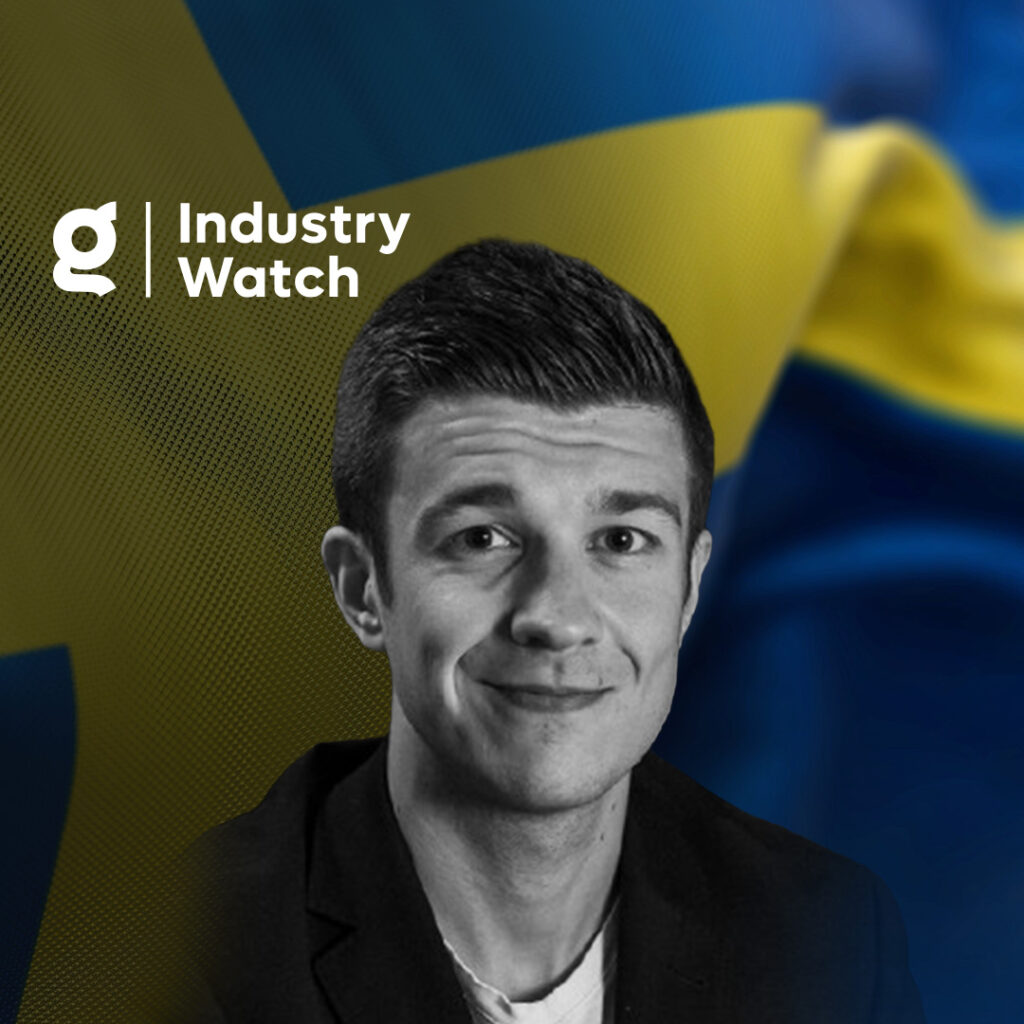

Wahlberg’s election was confirmed at the group’s latest plenary meeting, attended by representatives from national platforms in more than 30 countries. The Group of Copenhagen acts as the advisory body to the Follow-up Committee of the Macolin Convention, helping drive cooperation among states, regulators and sporting authorities to detect, prevent and respond to manipulation of sports competitions.
“I am grateful for the group’s support,” Wahlberg said in remarks released by Sweden’s gambling regulator. “As chairman, I want to continue to keep up the momentum of the Macolin Convention by promoting ratifications, helping to establish more national platforms and broadening the geographical reach of our network.”
The Macolin Convention, formally known as the Convention on the Manipulation of Sports Competitions, is the first and only international treaty establishing a common legal framework to combat match-fixing and other forms of competition manipulation. It aims to enhance cooperation between public authorities, law enforcement, sports governing bodies and betting operators to prevent, investigate and sanction efforts to manipulate outcomes or betting markets.

National platforms are the cornerstone of the convention’s strategy. Under Article 13, each party to the treaty must designate a national platform, typically a central hub combining relevant government agencies, sports bodies and betting regulators, tasked with coordinating efforts to detect irregular betting, issue alerts and share data with domestic and international stakeholders.
Sweden leads international efforts
The Group of Copenhagen, originally established by the Council of Europe in 2016 as the Network of National Platforms, now comprises coordinators from around 33 countries. It facilitates exchange of expertise, supports fledgling national platforms, and proposes best practices to strengthen governance and operational capacity across the Macolin community.
In his new role, Wahlberg will chair the Advisory Group’s Bureau, the elected leadership team that includes a vice-chair and five members serving two-year terms. The Bureau meets regularly
to set strategic direction and coordinate working groups focused on research, typologies of sports manipulation, and capacity-building initiatives.
The Swedish Gambling Authority’s acting director general, Johan Röhr, welcomed Wahlberg’s appointment and said it underscored Sweden’s commitment to international cooperation following Stockholm’s signing of the Macolin Convention earlier this year. “We believe it provides good opportunities to continue to develop and strengthen international cooperation against match-fixing,” Röhr said.
Sweden’s accession to the treaty comes amid a broader push across Europe and beyond to implement robust legal and operational frameworks against competition manipulation. According to UEFA, the European football governing body, the convention and associated networks, including the Group of Copenhagen, are central to collaborative efforts that also involve Interpol, Europol and other integrity partners.
Despite the treaty’s advances, challenges remain. Not all signatory states have ratified the convention, meaning legal obligations and full participation in cooperative mechanisms such as alert-sharing can vary. Some industry stakeholders have called for broader inclusion of private betting operators within consultative structures, arguing that excluding market participants could weaken information flows and early detection.
Proponents of the Macolin framework and the Group of Copenhagen argue that coordinated national platforms, supported by international networks, are essential to tackling sophisticated cross-border threats to the integrity of sport. These threats include not only traditional match-fixing, defined as deliberate manipulation of a competition’s outcome, but also more subtle forms of manipulation tied to betting irregularities and emerging digital markets.
The next Group of Copenhagen plenary is scheduled for December 2025 in Strasbourg, where members are expected to review progress on typology tools, alert mechanisms and the expansion of the national platform framework in Africa, Asia and the Americas.