- Media
WATCH: iGaming leaders say industry thrives on controlled disruption
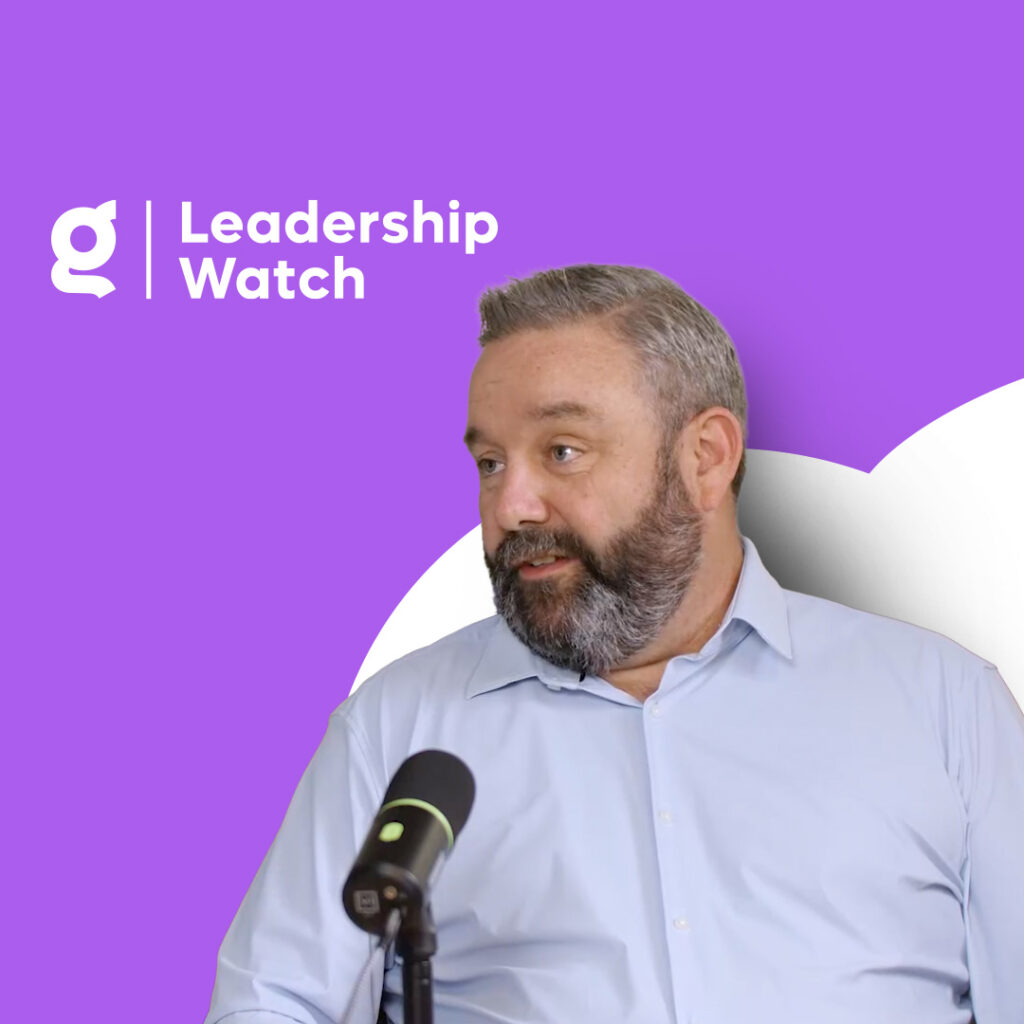

Speaking on a podcast hosted by Martin Collins, a C-level gaming consultant, Richard Dennys, chief executive of affiliate group Game Lounge, said unpredictability had long been central to the industry’s appeal and success.
“Traditionally, the industry has always been built upon a little bit of chaos,” Dennys said. “That idea of chaos is at the heart of the industry. It’s what makes it successful. If it wasn’t like that, I don’t think any of us would be here.”
Dennys, who entered the industry in 2006, said gaming was widely described at the time as the “wild west,” a characterisation that attracted entrepreneurial talent seeking a faster-moving environment than more traditional sectors. While the industry has since matured, he said that foundational dynamism remains.

The discussion focused on leadership during a period of rapid change, with Collins pointing to regulatory pressure, the rise of artificial intelligence, cryptocurrency and the divide between licensed and unlicensed markets as sources of ongoing disruption.
Dennys said the most successful businesses were those that resisted over-specialisation as they scaled, arguing that firms should replicate what already works rather than add excessive layers of process.
“When businesses grow from 25 or 50 people and take external investment, they often start pushing everyone into very narrow roles,” he said. “But what got you the growth in the first place was a generalist, beehive-type approach. The detail doesn’t always deliver the return you expect.”
He added that many gaming companies are no longer in rapid expansion mode, instead operating long-established, profitable businesses that must reinvest earnings while balancing private equity expectations.
Growth, regulation and managing change
That shift, Dennys said, has coincided with changing employee attitudes in the post-pandemic workplace, with some staff seeking stability after years of disruption.
Collins raised concerns around burnout and mental health, referencing growing industry debate about stress and wellbeing. Dennys argued that purpose and clear goals were more important than workload alone.
“If people don’t have a purpose or a goal, that’s what leads to secondary issues,” he said. “If you know what you’re working towards, you either achieve it or you don’t.”
Both speakers agreed that creating a shared mission becomes harder in businesses without a clear end point such as a sale or stock market listing. Dennys said leaders must be careful not to rely constantly on “us versus them” narratives to motivate teams, warning that perpetual conflict can exhaust organisations.
“You can’t be constantly at war,” he said, citing examples from elite sport where sustained pressure eventually undermined performance.
Instead, Dennys pointed to practical incentives, including limited use of four-day working weeks. Game Lounge operates shortened weeks during selected periods rather than year-round.
“It works brilliantly if you do it for a few months,” he said, adding that productivity improved when staff adjusted workloads accordingly.
The conversation also addressed remote working. Both speakers said prolonged screen-based meetings were mentally draining and reduced opportunities for informal learning.
“Leadership is about listening, and that’s much harder through a screen,” Collins said, adding that office environments create unplanned interactions that provide valuable insight into team sentiment.
Dennys acknowledged the tension between office-based alignment and access to global talent, noting that some specialist hires would not be possible locally. However, he said distributed work models require greater trust and pose long-term productivity challenges.
Looking ahead, Dennys said he expected a gradual reversal in younger workers’ reluctance to return to physical workplaces, citing generational shifts and peer-to-peer influence rather than top-down direction.
“They won’t listen to us,” he said. “They’ll learn from each other, just like we did.”
Despite uncertainty, Collins and Dennys concluded that adaptability and a degree of chaos would remain central to leadership in gaming.